Step 1 - Single Block
This is a standalone block.
No nesting exists yet.
Parameters, variables, and state are local to this block.
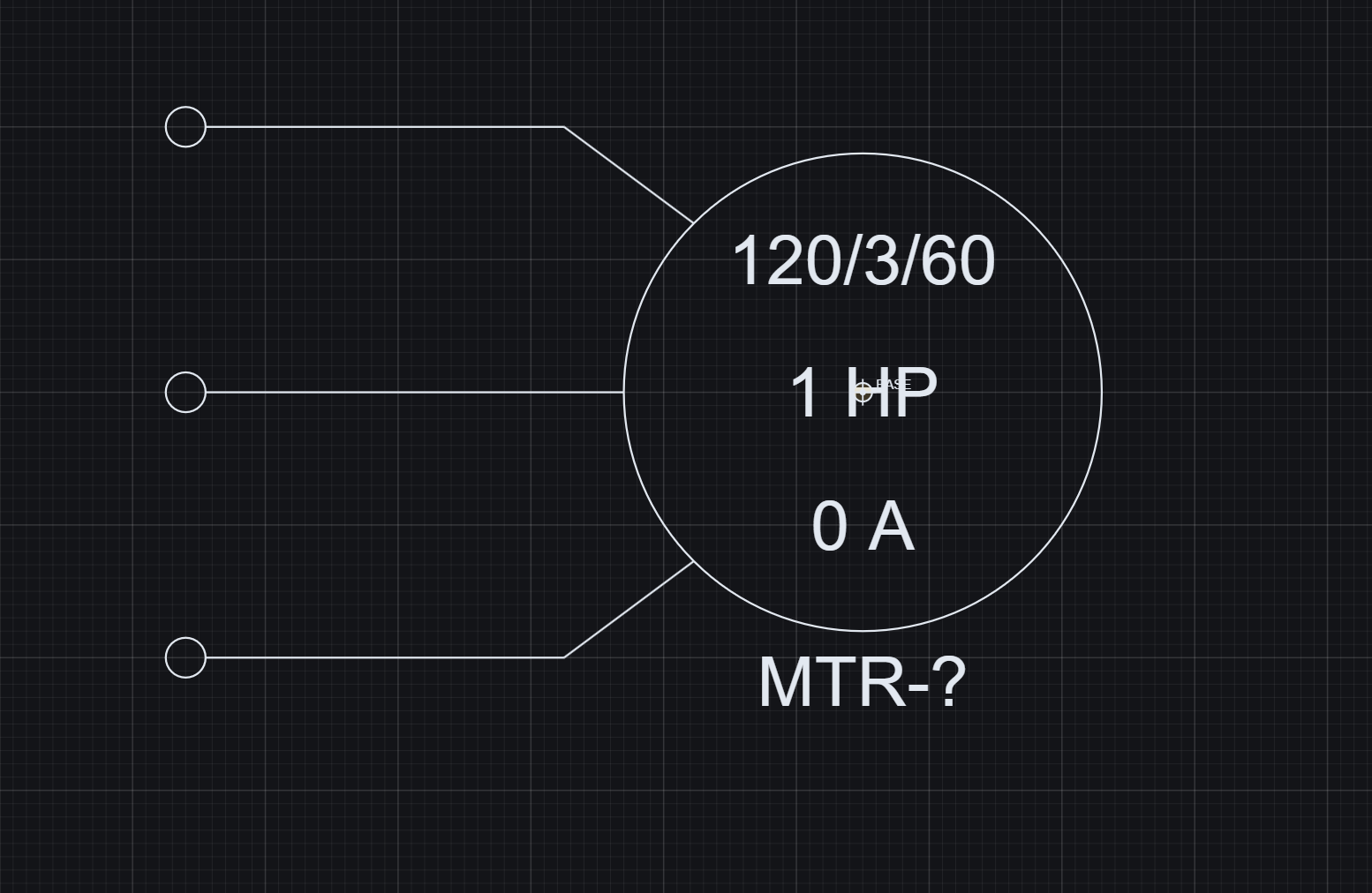
Build larger systems by composing parent blocks from fully evaluated child blocks.
Nested blocks are a parent-child system. A parent block can contain child block references inside its definition.
Each child evaluates independently, but it runs within the parent context.
Nested blocks are not copied geometry. They are composed systems.
A nested assembly is built one level at a time.
This is a standalone block.
No nesting exists yet.
Parameters, variables, and state are local to this block.
A child block is inserted inside the parent definition.
The child is a block reference, not static geometry.
It will evaluate separately when the parent resolves.
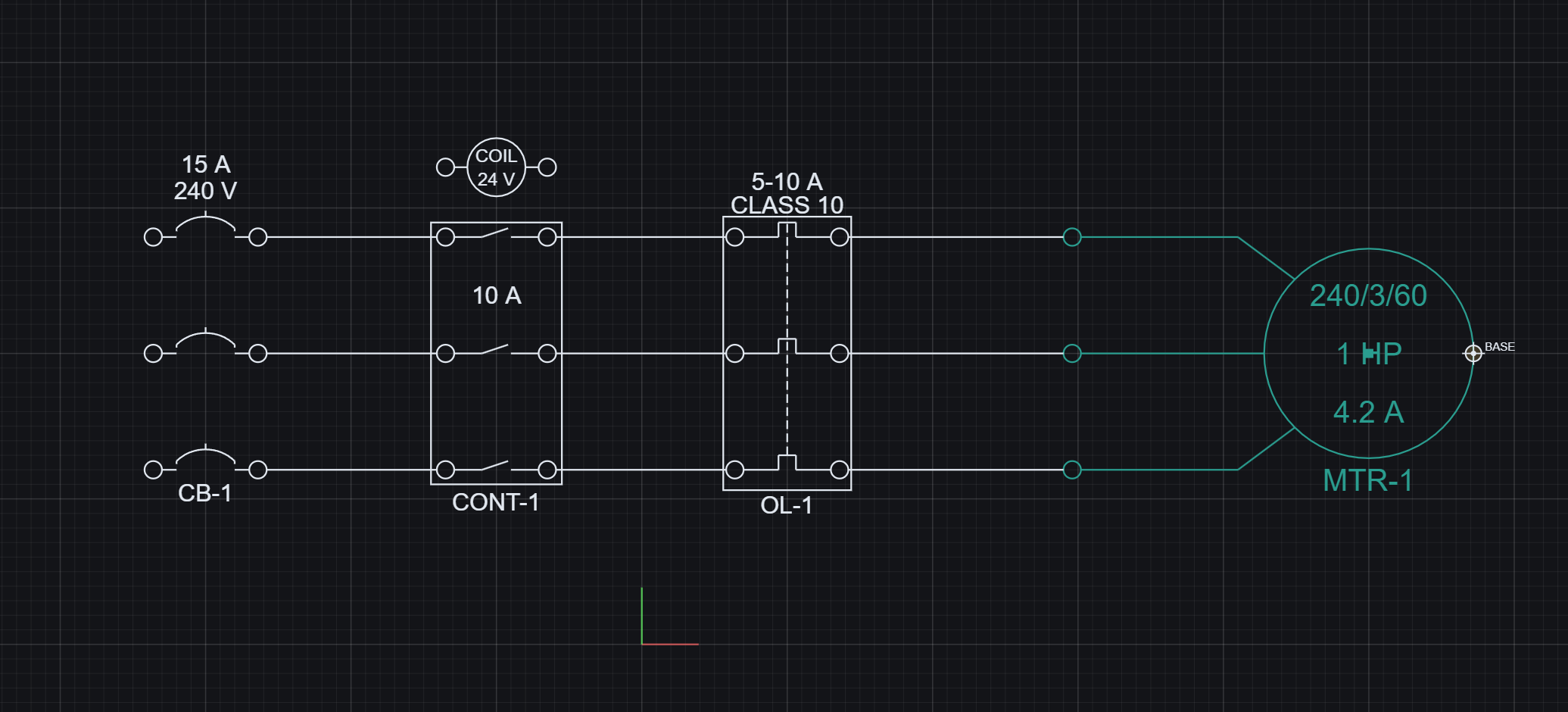
Multiple child blocks form a larger structure.
Each child can receive different parameter values.
Behavior can vary per child instance.
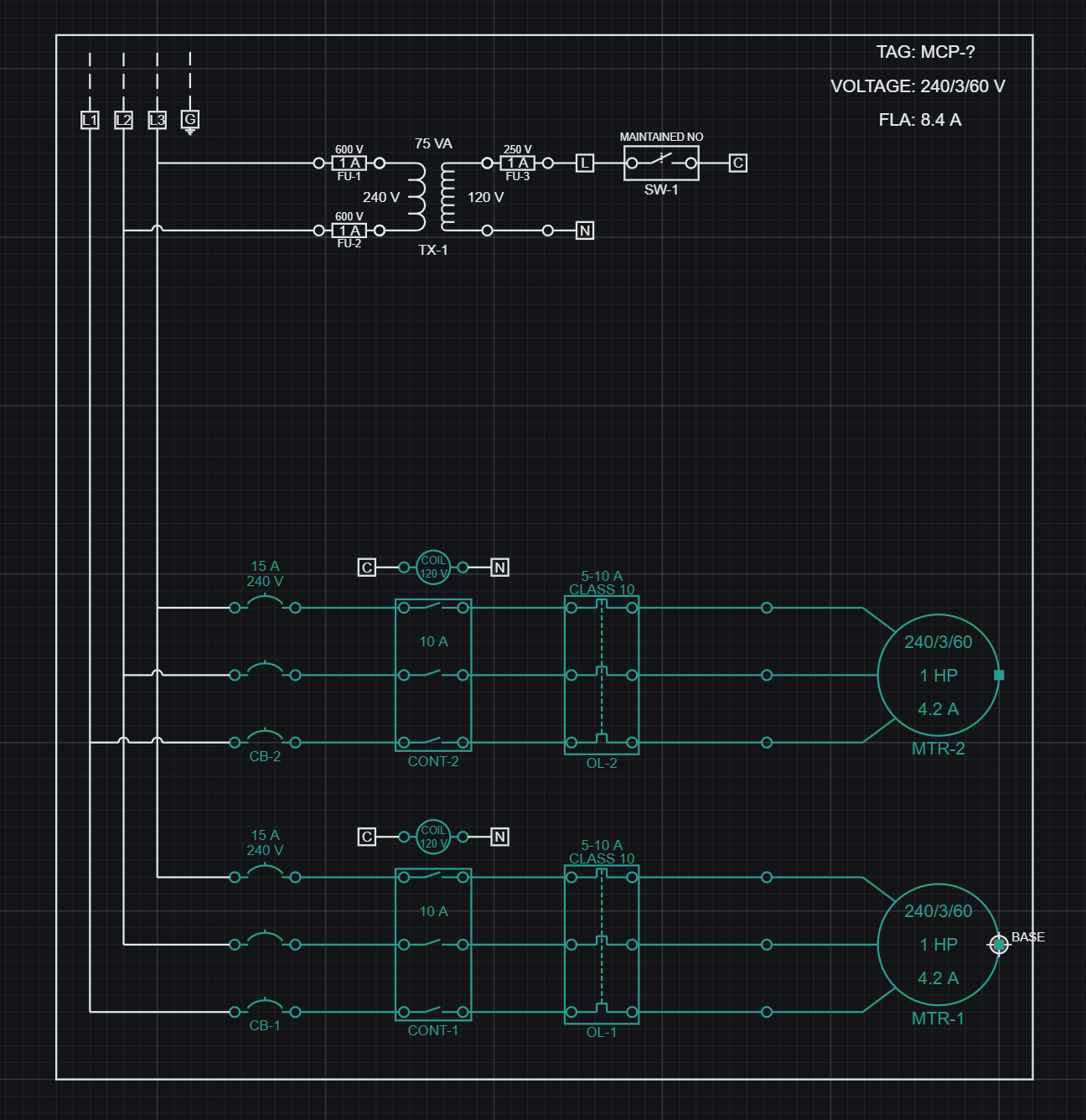
The full system is composed from nested evaluations.
Child results are combined into the final realized output.
This is how assemblies are built from smaller systems.
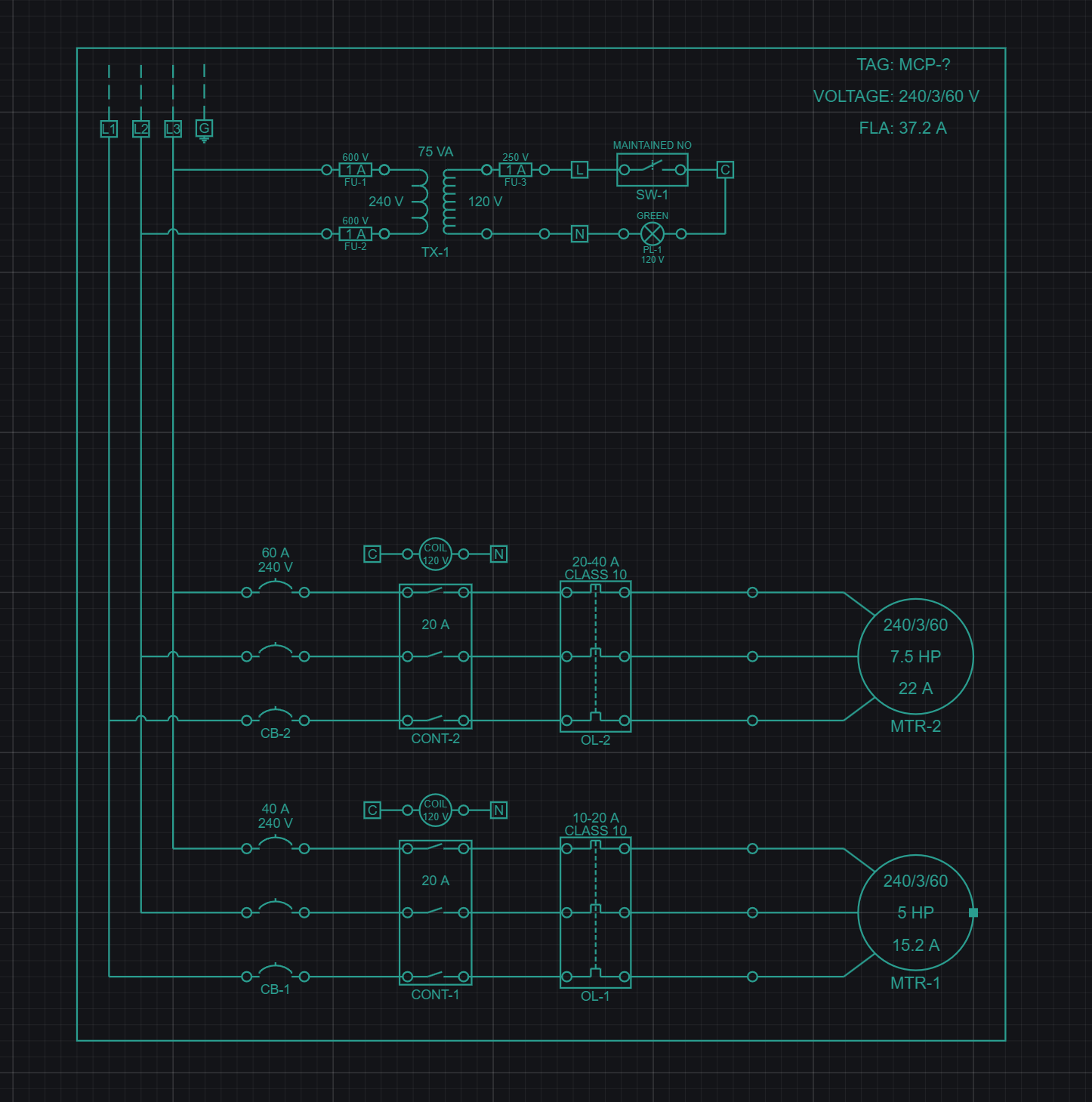
A nested block relationship has two roles:
Nested blocks are system composition. Each child is a fully evaluated system, not static geometry.
How to use the block authoring workflow.
How nested blocks and parent-child context work.
A practical nested assembly system.